Table of Contents
What You Should Know Before Buying a Diamond
Diamonds are no longer limited to stones formed deep within the earth over billions of years. Today you can buy a diamond created in a controlled environment that has the same physical structure as a mined stone. These gems have changed the jewelry market and given buyers more options. If you are exploring man made diamonds for the first time, it helps to understand how they are produced, how they compare with natural diamonds, and what factors matter when choosing one.
How These Diamonds Are Created
A laboratory can reproduce the conditions that allow a diamond crystal to grow. The result is a real diamond rather than a substitute. Two main methods are used.
- High Pressure High Temperature (HPHT)
- Chemical Vapor Deposition (CVD)
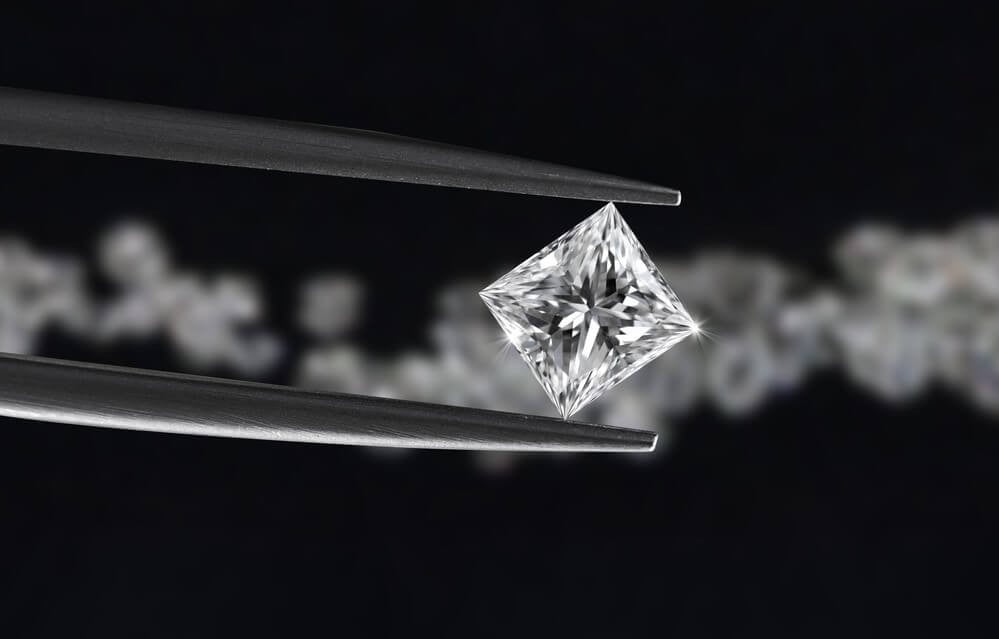
HPHT mimics the pressure and heat found deep within the earth. CVD grows a diamond from carbon-rich gases inside a controlled chamber. Both methods create diamonds that share the same crystal structure as mined diamonds. Standard grading laboratories evaluate them using the same quality standards. Example: A one-carat laboratory-grown diamond and a one-carat natural diamond can look identical to the naked eye.
Understanding the 4Cs
The quality of any diamond is commonly judged through the 4Cs. Many buyers search for a diamond 4 c chart because they want a simple way to compare stones and understand value before making a purchase. The four factors are:
- Cut
- Color
- Clarity
- Carat Weight
Cut
Cut affects how well a diamond reflects light. A well-cut stone appears brighter and more lively. Many experts consider cut the most important quality factor because it has the strongest impact on appearance.
Color
Diamond color is graded on a scale. Stones with less visible color often receive higher grades. Small differences may be difficult to notice without side-by-side comparison.
Clarity
Clarity measures internal and external characteristics. Many inclusions are too small to see without magnification. A diamond does not need a perfect clarity grade to look clean in everyday use.
Carat Weight
Carat refers to weight rather than size. Two diamonds with the same carat weight may appear different depending on their cut proportions.
How They Compare With Natural Diamonds
The biggest question for many buyers is whether laboratory-grown and natural diamonds are actually different. From a scientific standpoint they are both diamonds. They have the same hardness rating and similar optical properties. The main differences usually involve origin and market pricing. Natural diamonds form underground through geological processes. Laboratory-grown diamonds are produced through technology that recreates those conditions. Many buyers choose a laboratory-grown stone because they can often purchase a larger or higher-quality diamond within the same budget.
Certification Matters
Never buy a diamond without an independent grading report. A grading report confirms important details such as:
- Carat weight
- Color grade
- Clarity grade
- Cut quality
- Measurements
The report gives you an objective assessment rather than relying solely on a seller’s description. Before purchasing any diamond, ask to review the grading document and verify that the report number matches the stone.
Choosing the Right Stone for Your Budget
Many buyers focus on achieving balance rather than chasing the highest grade in every category. For example: You may prefer a slightly lower color grade if it allows you to select a better cut. You may choose a clarity grade that appears eye-clean instead of paying more for imperfections that are only visible under magnification. Think about how the diamond will be worn and viewed. Most people see jewelry from a normal distance rather than through specialized equipment.
Popular Jewelry Settings
The setting affects how a diamond looks after purchase. Common choices include:
- Solitaire settings
- Halo settings
- Three-stone settings
- Pavé settings
- Bezel settings
A solitaire setting highlights the center stone. A halo setting surrounds it with smaller diamonds to create a larger visual appearance. The right setting depends on personal style and daily wear habits.
Questions to Ask Before You Buy
A careful buyer gathers information before making a final decision. Ask these questions:
- Does the diamond include a grading report?
- What growth method was used?
- What is the return policy?
- Can the seller provide magnified images?
- Is the stone laser inscribed?
Clear answers help you compare options with confidence.
Long-Term Care
Diamonds are durable but still require routine care. Clean jewelry regularly to remove oils and residue that reduce sparkle. Store pieces separately to prevent scratching other jewelry. Have settings inspected occasionally to ensure stones remain secure. Simple maintenance helps preserve appearance over time.
Frequently Asked Questions
Are man made diamonds real diamonds?
Yes. They have the same crystal structure and physical properties as natural diamonds. They are not diamond simulants.
Can a jeweler tell the difference?
Specialized equipment is often required to determine whether a diamond was grown in a laboratory or formed naturally.
Do laboratory-grown diamonds receive quality grades?
Yes. Reputable grading laboratories evaluate them using standards that assess cut, color, clarity, and carat weight.