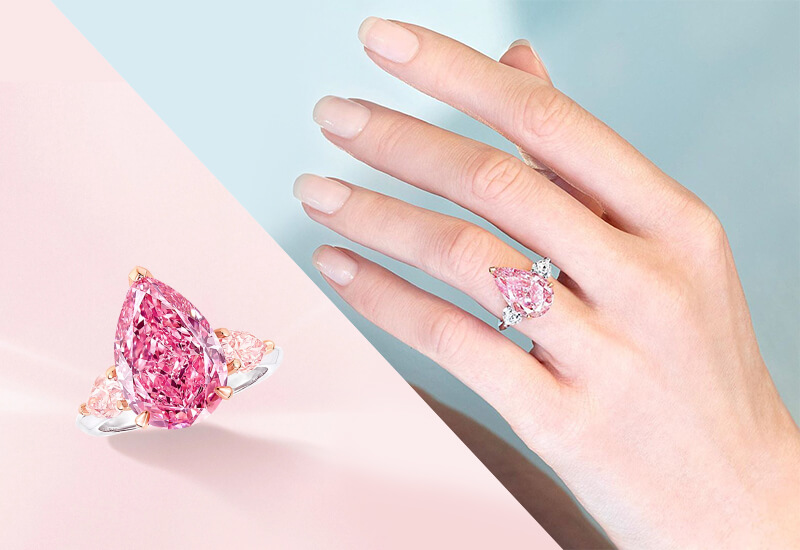
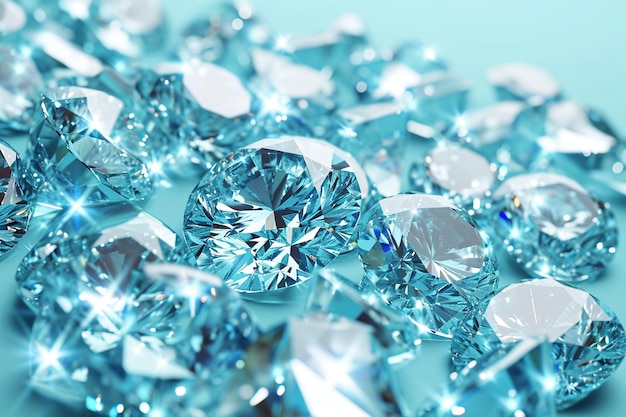
Starting with sparkle, moissanite stands apart due to its double-refractive nature. Lab grown diamonds mirror natural ones at the atomic level. One might notice more fire in moissanite under sunlight. These lab created gems form in weeks instead of millennia. While both skip the mine, their paths diverge sharply behind the lens. Cost differences appear even when sizes match closely. Over time, resale markets treat them unlike mined counterparts. Each carries distinct weight on the finger and in perception. Deciding rests less on trends and more on personal clarity.
What sets them apart matters when picking a gem that matches how you live, what you can spend, and what feels right to you.
Table of Contents
Understanding Moissanite Gemstones?
Even though folks say “moissanite diamond,” it isn’t a real diamond at all. Instead, this stone comes from silicon carbide. Found first in a space rock impact site, the natural kind hardly exists anymore. Because of that, what you see now grows in labs. Yet its glow still catches eyes just the same.
Sparkle grabs attention when moissanite catches the eye more than expected. Light bends through it in ways that surprise folks who thought only diamonds could shine like that. Bright flashes jump out especially where lights hit just right, making some choose it without hesitation.
Moissanite stands up well over time – that helps explain its rise. A rating of 9.25 on the Mohs scale means it resists scratches quite effectively. Because of this strength, pieces like engagement rings, earrings, or necklaces keep looking good. With basic attention, they stay that way for a long stretch.
Lab Made Diamonds Explained?
Inside labs, diamonds grow under careful conditions rather than forming deep underground. These stones match natural ones atom by atom, sparkle included. Though born in machines, their structure behaves just like mined gems when tested. Identical hardness, clarity, and light play come through every analysis.
Out of labs come these diamonds, made by either crushing carbon under wild pressure and heat or growing it from gas. To the eye of any jeweler lacking high-end tools, they’re indistinguishable from those pulled from deep underground.
From start to finish, lab grown diamonds go through identical rating steps as mined ones. Respected gem labs check each stone’s color, how clear it is, its shape quality, along with size in carats. These stones earn grades just like those pulled from the earth.
Appearance and Sparkle
One of the biggest differences between moissanite diamond alternatives and lab made diamonds is their sparkle.
Sparkles dance wildly from moissanite, casting bursts of colored light. When hit by intense illumination, those rainbows intensify sharply. A vibrant glow pulls some viewers right in. Others notice something slightly off, a hint too much shine for comfort.
Sparkle from lab grown diamonds matches that of earth mined ones, point for point. Not always flashier, their shine tends to feel steady, familiar. When someone wants the usual look of a diamond, these often stand out as the go-to choice – nearly impossible to tell apart from those pulled from deep underground.
Should you value realness above all, lab grown stones often seem richer, built to last. Yet it is their quiet confidence that sets them apart.
Price Comparison
What makes people look closely at both choices? Often it comes down to cost.
Priced much lower than lab grown diamonds, moissanite stands out. For the same size, one might pay just a small part of what a diamond demands. Big sparkle without stretching funds pulls many toward this option.
For some people, lab grown diamonds feel like the better choice even if they’re pricier than moissanite. Not everyone wants a substitute when what they desire is an actual diamond. Though mining natural stones carries higher environmental impact, these synthetic versions offer similar sparkle at lower prices. Still, that step up in cost from moissanite? It often makes sense once buyers weigh what they value most.
Beauty without the burden – that’s what lab created stones bring when compared to natural ones or moissanite. Picking one means weighing shine against cost, especially for pairs making choices together. These gems sit right in the mix, neither dug up nor too flashy.
Durability and Everyday Wear
One stone stands up well to everyday wear, yet lab created diamonds take the lead in toughness.
Harder than anything else we put into rings or necklaces, diamonds sit at number ten on the Mohs scale. Because of that spot, they shrug off scrapes where other stones give way.
Though not quite as hard as diamond, moissanite holds up impressively over time. Its resilience makes it a solid choice for daily rings and pieces that see constant use.
For daily tasks, one won’t really outlast the other in any obvious way.
Ethical and Environmental Benefits
These days, shoppers pay more attention to eco-friendly choices. Moissanite finds favor because it skips the mining damage. Lab grown diamonds draw interest too – same reason. People want options that feel less harmful. Ethical concerns shape what they pick. Neither stone comes from deep earth digging. That matters now more than before.
Laboratory-grown gems skip the digging that often scars landscapes. Unlike conventional extraction, these diamonds avoid troubling questions about working conditions.
From start to finish, moissanite leaves less behind – it grows in labs, not dug from the earth. Though they begin on benches under lights, lab diamonds carry the same traits as mined ones without the digging scars.
Folks who care about the planet can feel good picking either one.
Resale and Long Term Value
Most lab grown diamonds carry higher worth compared to moissanite since they’re actual diamonds. Still, when resold, they usually bring in less money than natural ones pulled from the earth.
Most people do not resell moissanite easily since it lacks the status of classic precious stones. Instead of being seen as rare treasure, it fills the role of a substitute for diamonds.
Most people focused on lasting value will find lab grown diamonds a stronger fit. When cost and sparkle matter most, moissanite tends to deliver greater appeal. Though different in origin, each serves distinct goals well.
Which Option Works?
What matters most shapes whether someone picks moissanite or lab grown diamonds instead of natural ones.
Choose moissanite if you want:
- Maximum sparkle
- A larger stone for less money
- Affordable luxury
- Ethical sourcing at a lower price
Choose lab made diamonds if you want:
- A real diamond
- Traditional diamond brilliance
- Better long-term value
- Luxury with lower environmental impact
One shines with real charm, the other lasts just as long but costs less. What matters most to you shapes which path makes sense. Ultimately, it depends on what feels true versus what fits easier.
Final Thoughts
Nowhere near the same shape as it once was, the jewelry market lets shoppers pick from countless options. Not only do moissanite stones shine bright, but they also skip the environmental toll – just like lab created diamonds. Both sidestep digging into the earth, cost less, yet still dazzle eyes just fine.
Sparkle grabs attention with moissanite, yet cost keeps it within reach. Lab grown diamonds feel like the real thing, though they come without the traditional price tag.