
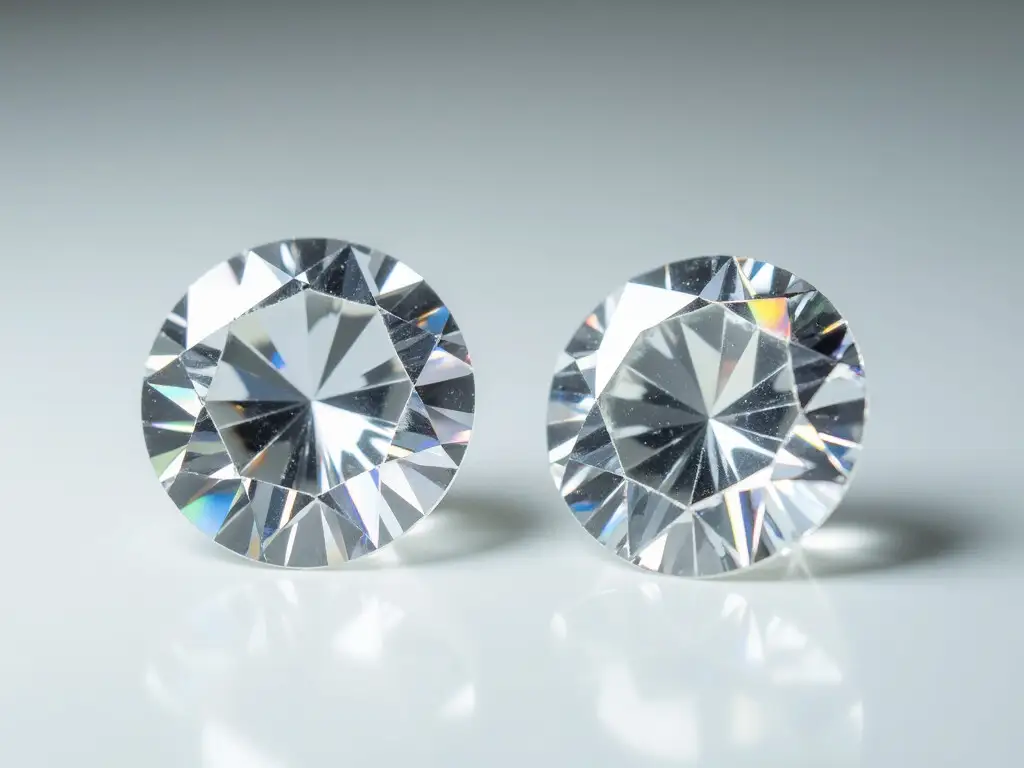
Diamonds have captivated people for centuries with their brilliance and symbolism. Today, the introduction of man made diamonds—also known as lab grown diamonds—has brought new possibilities for consumers who seek beauty, sustainability, and value in one stunning package. Whether you’re purchasing a diamond for an engagement ring or as a personal investment, understanding the diamond clarity chart is essential for making an informed decision.
Let’s dive into what clarity really means, how it impacts appearance and price, and how lab grown diamonds fit perfectly into the picture.
Table of Contents
What Is Diamond Clarity?
Clarity refers to the presence—or absence—of internal inclusions and external blemishes in a diamond. These imperfections are formed naturally (in mined diamonds) or during the lab creation process (in man made diamonds). The fewer the flaws, the higher the clarity grade.
Clarity directly affects a diamond’s appearance, although many inclusions are microscopic and don’t impact brilliance to the naked eye. Still, clarity is one of the “Four Cs” of diamond grading (along with cut, color, and carat), and plays a key role in determining value.
The Diamond Clarity Chart Explained
The diamond clarity chart, developed by the Gemological Institute of America (GIA), is the universal standard for grading diamond clarity. It consists of 6 main categories and 11 clarity grades:
FL – Flawless
No inclusions or blemishes visible under 10x magnification. Extremely rare and valuable.IF – Internally Flawless
No internal flaws, but may have very minor surface blemishes. Also very rare.VVS1 & VVS2 – Very, Very Slightly Included
Minute inclusions that are extremely difficult to see even under magnification. Excellent clarity grade.VS1 & VS2 – Very Slightly Included
Small inclusions that are difficult to detect under 10x magnification. Often considered the sweet spot for quality and value.SI1 & SI2 – Slightly Included
Noticeable inclusions under magnification, and sometimes visible to the naked eye. Budget-friendly without compromising too much on appearance.I1, I2 & I3 – Included
Obvious inclusions that may affect transparency and brilliance. Generally not recommended for fine jewelry.
Understanding where a diamond falls on this scale helps you balance clarity with other qualities based on your personal priorities and budget.
How Clarity Affects Man Made Diamonds
Just like mined diamonds, man made diamonds are evaluated using the same clarity chart. They can have inclusions, though the types of inclusions are often different due to the manufacturing process. For instance:
- CVD diamonds (Chemical Vapor Deposition) may exhibit metal inclusions or slight graining.
- HPHT diamonds (High Pressure High Temperature) might contain tiny metallic particles or natural-looking inclusions similar to those in mined diamonds.
What’s exciting is that lab grown diamonds can often achieve higher clarity grades at more affordable prices. Since the lab environment is controlled, the probability of major flaws is lower compared to natural formation over millions of years in the Earth’s crust.
Why Clarity Matters (But Only to a Point)
While clarity is important, it’s not always the most noticeable quality in a diamond. Cut has the greatest impact on brilliance, while color and carat often affect a buyer’s perception more strongly.
That said, here are a few practical tips:
- Choose VS1 or VS2 for the best balance. These diamonds appear flawless to the naked eye, but are more affordable than FL or IF grades.
- Consider SI1 for value. Many SI1 diamonds are “eye-clean,” meaning you won’t see flaws without magnification.
- Don’t overpay for what you can’t see. Higher clarity grades command higher prices but don’t always translate to visible differences.
With man made diamonds, you can often afford a better clarity grade at the same price as a lower-clarity mined stone.
The Sustainability and Appeal of Man Made Diamonds
As clarity becomes easier to assess and lab grown diamonds more prevalent, many buyers are opting for man made diamonds. Here’s why:
- Eco-friendly: Lab diamonds are produced with significantly less environmental impact than mining.
- Ethical sourcing: No conflict zones, child labor, or untraceable origins.
- Greater transparency: Brands like Novita and others often provide detailed origin reports and quality guarantees.
- Better value: Man made diamonds can cost up to 40–60% less than their mined equivalents, without compromising beauty or durability.
When combined with the insights from a clarity chart, buyers can make smarter, more personalized choices.
Choosing the Right Clarity for Your Needs
Here’s a quick guide depending on your goals:
- For engagement rings: Opt for VS1 or VS2 in a lab grown diamond — excellent sparkle, no visible flaws, and great value.
- For investment or heirloom pieces: Consider VVS or IF grades if you’re seeking rarity and perfection.
- On a budget: SI1 lab grown diamonds offer excellent savings and still look beautiful in well-cut styles.
- For fashion jewelry: Clarity might be less critical — focus on cut and color for visual impact.
Conclusion: A Clearer Path to Diamond Buying
Understanding the diamond clarity chart is key to making informed jewelry purchases — whether you’re eyeing a classic mined gem or embracing the future with man made diamonds. Lab grown diamonds have made high-clarity, high-quality gems more accessible to a wider audience, democratizing luxury and supporting more ethical practices.
By using the clarity scale wisely and considering lab grown options, you can find a diamond that aligns with your values, your budget, and your vision of beauty. Today, clarity isn’t just about what you see inside a diamond — it’s also about the transparency of how it was made and the confidence with which you wear it.


