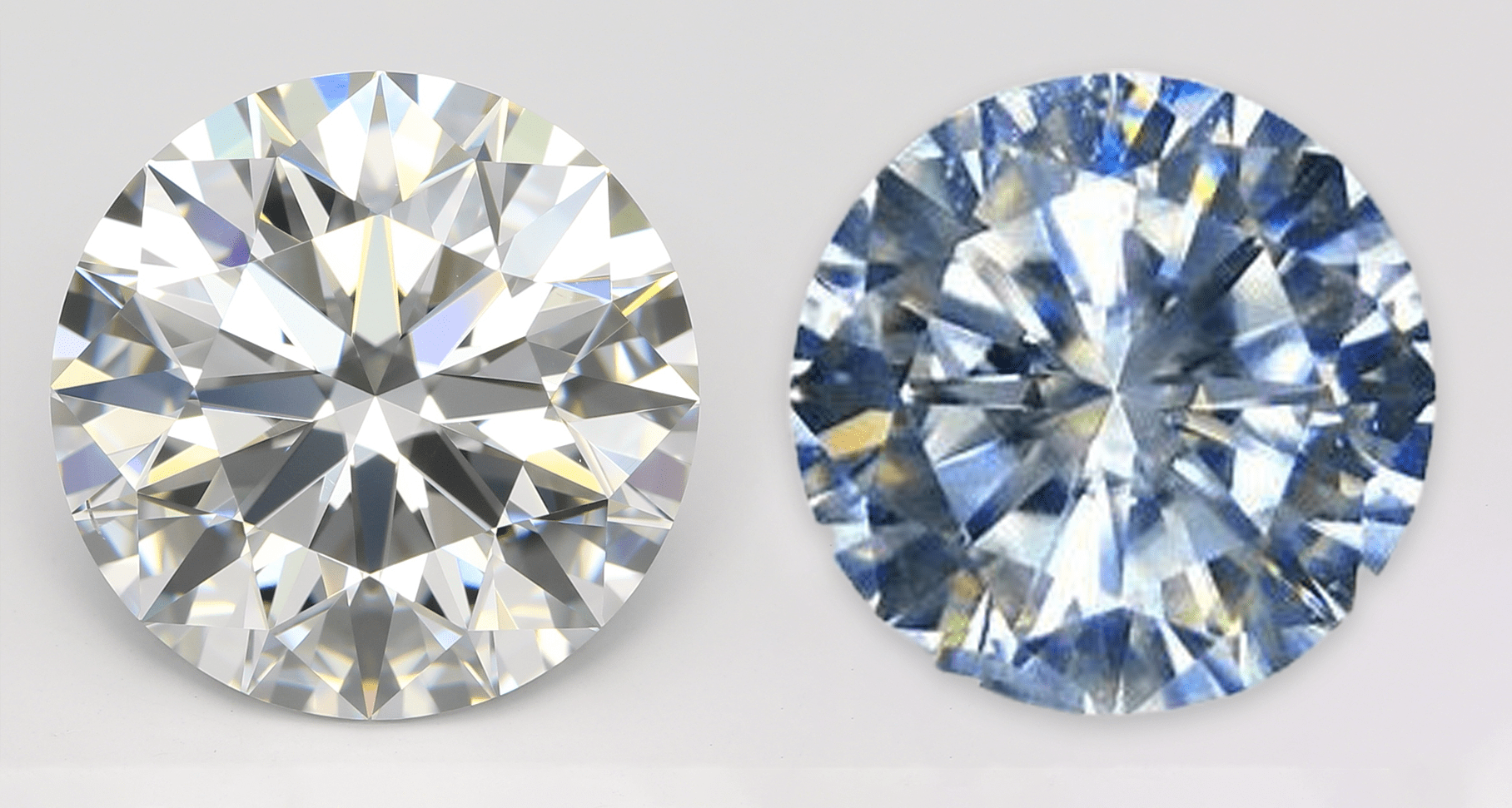
Diamonds have long been the ultimate symbol of love, celebration, and luxury. For generations, they’ve marked the most significant moments in life from engagements to anniversaries, and from milestones to heirlooms. But as the world grows more conscious of ethics, sustainability, and innovation, a new question has emerged among modern buyers: lab grown diamonds vs real diamonds what’s the real difference, and does one sparkle brighter in more than just appearance?
This question goes far beyond aesthetics. Today’s consumers are looking for more than brilliance; they’re seeking transparency, value, and intention behind every purchase. The rise of man made diamonds created through technological innovation rather than extracted from the earth has introduced a new dimension to the diamond conversation, challenging what it means to own something truly precious.
Table of Contents
The Science Behind the Sparkle
To fully appreciate the difference between lab grown and natural diamonds, it helps to understand how each is formed. Natural diamonds are forged deep within the earth’s mantle under immense heat and pressure over billions of years. They are then brought to the surface through volcanic eruptions and later mined, sorted, and cut. This process is complex and time-consuming, rooted in nature’s slow hand.
In contrast, lab-grown diamonds are created in a matter of weeks in controlled laboratory environments. Using advanced methods such as High Pressure High Temperature (HPHT) or Chemical Vapor Deposition (CVD), scientists replicate the natural conditions needed to form a diamond. The result is a gem that is chemically, physically, and optically identical to its mined counterpart. Even expert gemologists require specialized tools to distinguish between the two.
What makes man made diamonds particularly compelling isn’t just their likeness to real diamonds it’s the ethical and environmental implications of their creation.
Ethics and Origins
One of the most pressing concerns in the traditional diamond industry is the issue of ethical sourcing. Many mined diamonds, especially in past decades, have been associated with human rights violations, environmental damage, and conflict financing often referred to as “blood diamonds.”
Lab-grown diamonds offer a solution to these concerns. Because they are grown above ground and under strict laboratory conditions, they bypass the harmful labor practices and ecological devastation often associated with mining. This allows buyers to feel confident that their purchase supports humane values and sustainable practices.
When choosing between lab grown diamonds and real ones, the question becomes more than just origin it’s about impact. Owning a man made diamond is a statement about the kind of world you want to support and the ethics you hold dear.
Value and Cost
Another key factor in the conversation is value. On the surface, natural and lab-grown diamonds may look identical, but their price tags often differ significantly. Lab-grown diamonds typically cost 30–50% less than their mined counterparts, depending on cut, color, clarity, and carat weight.
This price difference allows buyers to get more for their money a larger stone, higher quality, or a custom setting without compromising on brilliance. The affordability of lab-grown diamonds makes them an increasingly attractive option for couples and individuals who want luxury without the premium attached to rarity.
However, while natural diamonds have traditionally held resale and heirloom value due to their geological uniqueness and perceived scarcity, the resale market for lab-grown stones is still evolving. This doesn’t diminish their personal or symbolic worth, but it’s a consideration for those viewing their diamond as a long-term investment.
Environmental Impact
Diamonds may be stunning, but the path they take to reach a jewelry store can be fraught with consequences. Mining has long been criticized for its toll on the environment, from deforestation and displaced communities to water pollution and carbon emissions. Extracting a single carat of mined diamond can displace thousands of pounds of earth and consume massive amounts of water and energy.
Lab-grown diamonds offer a more sustainable alternative. While the technology behind their creation still consumes energy, especially in HPHT methods, innovations in renewable power and more efficient processes are reducing their environmental footprint significantly. Some producers are already powering their laboratories with solar or wind energy, pushing the industry toward a cleaner future.
In a world where sustainability matters more than ever, lab-grown diamonds present a compelling option for eco-conscious buyers who want their jewelry to reflect their respect for the planet.
Emotional Value and Perception
A diamond is often more than just a stone it’s an emotional anchor, a cherished memory, a lifelong symbol. And for many, that emotional weight is tied to the story behind the gem. Some feel that a natural diamond, born from the depths of the earth over billions of years, carries a mystique that simply cannot be replicated.
Yet others find meaning in modernity. The idea that a diamond can be created through science, innovation, and intentional craftsmanship resonates with a new generation that values transparency and tech-forward solutions. For them, lab-grown diamonds are not just a substitute they’re a smart, soulful choice that honors love without harming the world.
Perception is personal. What matters most is that the diamond you choose speaks to your values, your story, and your sense of beauty. Both natural and man made diamonds can be exquisite, symbolic, and cherished.
Certification and Authenticity
Regardless of the diamond’s origin, certification plays a crucial role in ensuring quality and authenticity. Both natural and lab-grown diamonds can be graded by respected institutions such as the Gemological Institute of America (GIA) and the International Gemological Institute (IGI). These certifications assess a diamond’s cut, color, clarity, and carat the famous 4Cs and give buyers confidence in what they’re purchasing.
While some jewelers have previously been hesitant to stock lab-grown options, the growing acceptance and demand for these diamonds has led to more reputable retailers offering full transparency and grading for man made stones.
In practical terms, this means you don’t have to sacrifice quality or assurance when choosing a lab-grown diamond. You can still expect a beautifully cut, sparkling stone that meets the highest industry standards.
The Final Choice: A Matter of Meaning
Ultimately, choosing between a lab-grown and a natural diamond is a personal decision. Both offer undeniable beauty, both can be treasured for a lifetime, and both have their place in today’s jewelry world. But the factors that influence that decision ethics, environmental impact, price, emotional connection are becoming increasingly important to modern consumers.
For those who want a ring that tells a story of sustainability, innovation, and compassion, lab-grown diamonds offer unmatched appeal. They represent a step forward, not just in technology, but in how we define love and luxury in a changing world.
Still, the tradition and mystique of earth-formed diamonds continue to captivate those who are drawn to their ancient origins. There’s no wrong choice only the one that reflects your values and vision.
And perhaps that’s the most powerful thing about this evolution. It’s not about which diamond is “real.” It’s about which one feels right for you.